Quick Facts About Mount Bromo
- Location: East Java, Indonesia
- Volcanic Complex: Tengger Caldera
- Bromo Summit Elevation: 2,329 meters (7,641 feet)
- Penanjakan 1 Viewpoint Elevation: 2,770 meters (9,088 feet)
- Best Time to Visit: Dry season (May to October) for clear skies.
- Access: Mandatory 4WD Jeep for caldera and viewpoints.
- Temperature at Viewpoints: Can drop to 3-10°C (37-50°F) before sunrise.
Understanding the Tengger Caldera
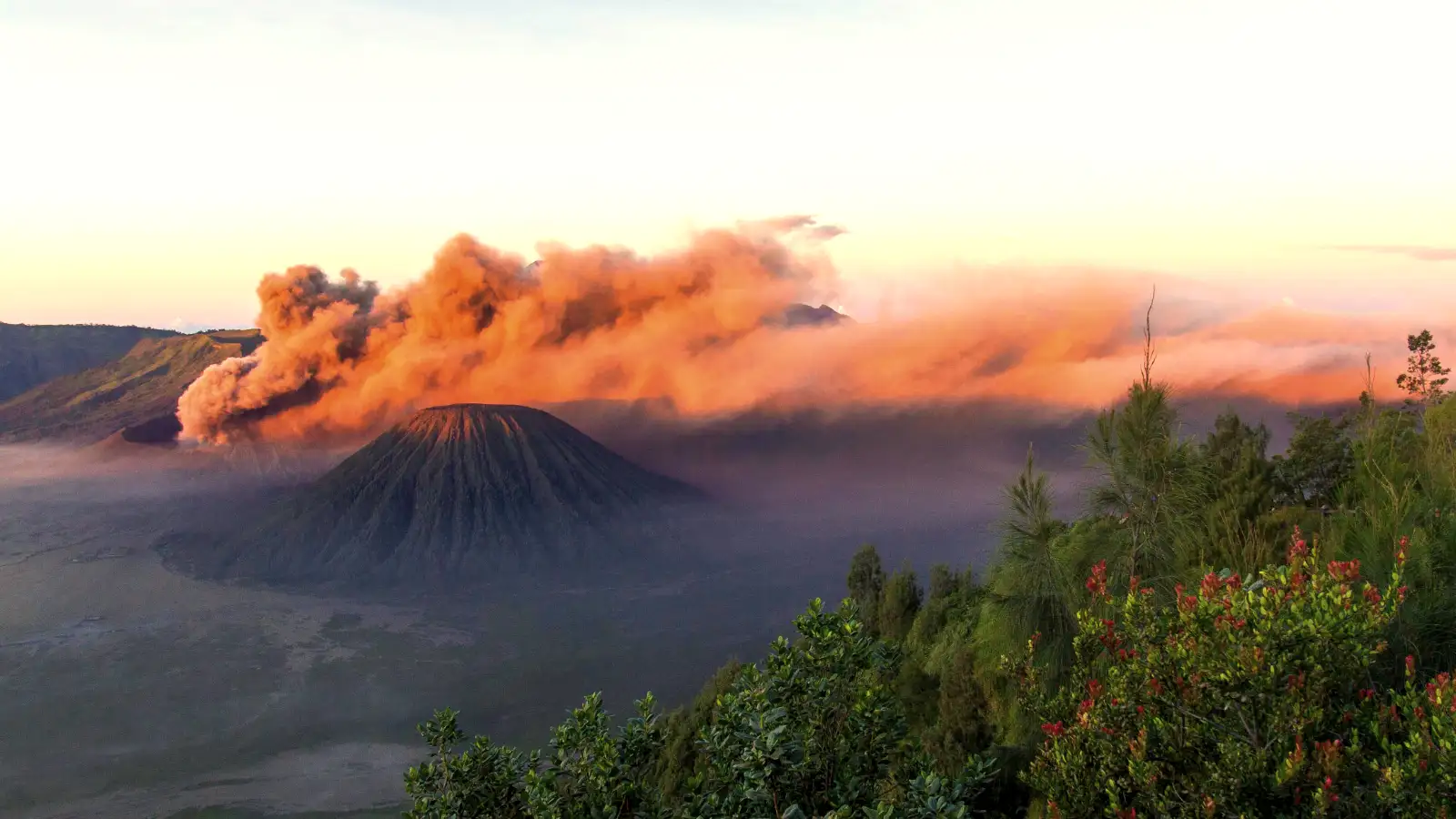
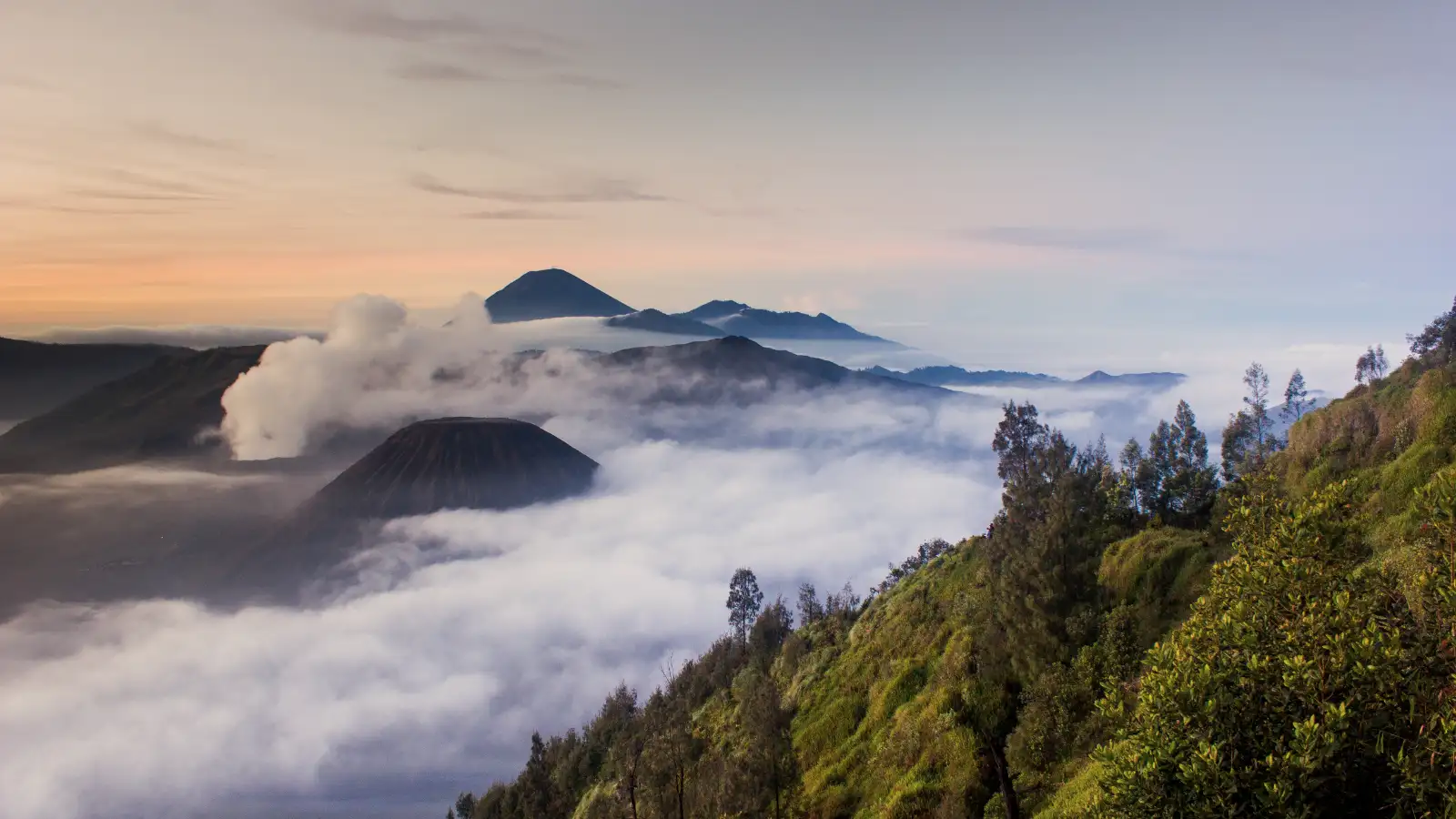
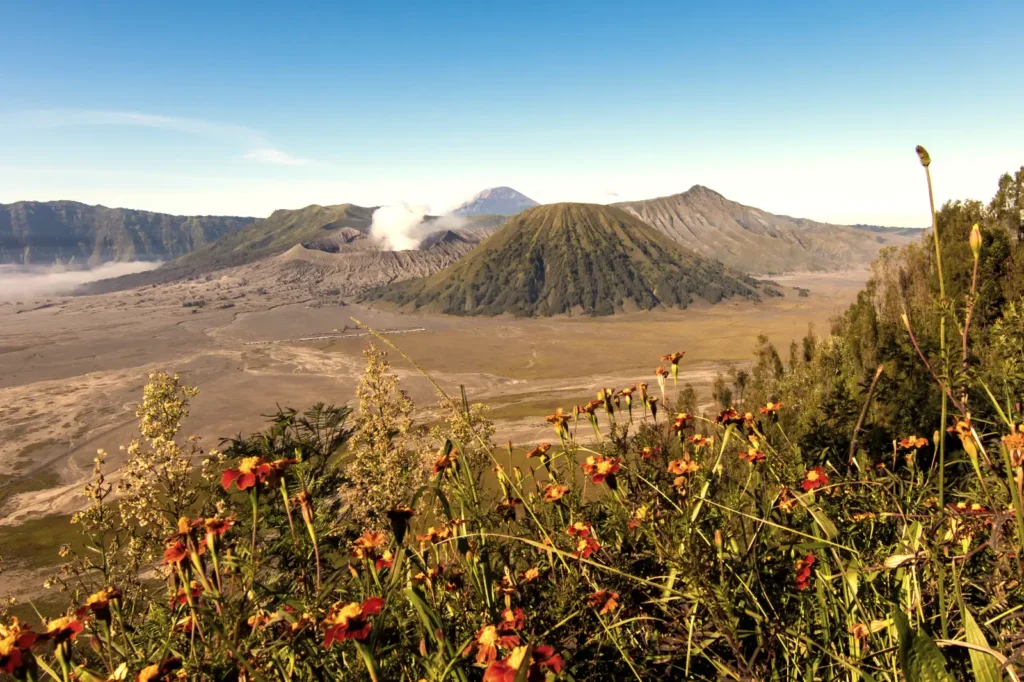
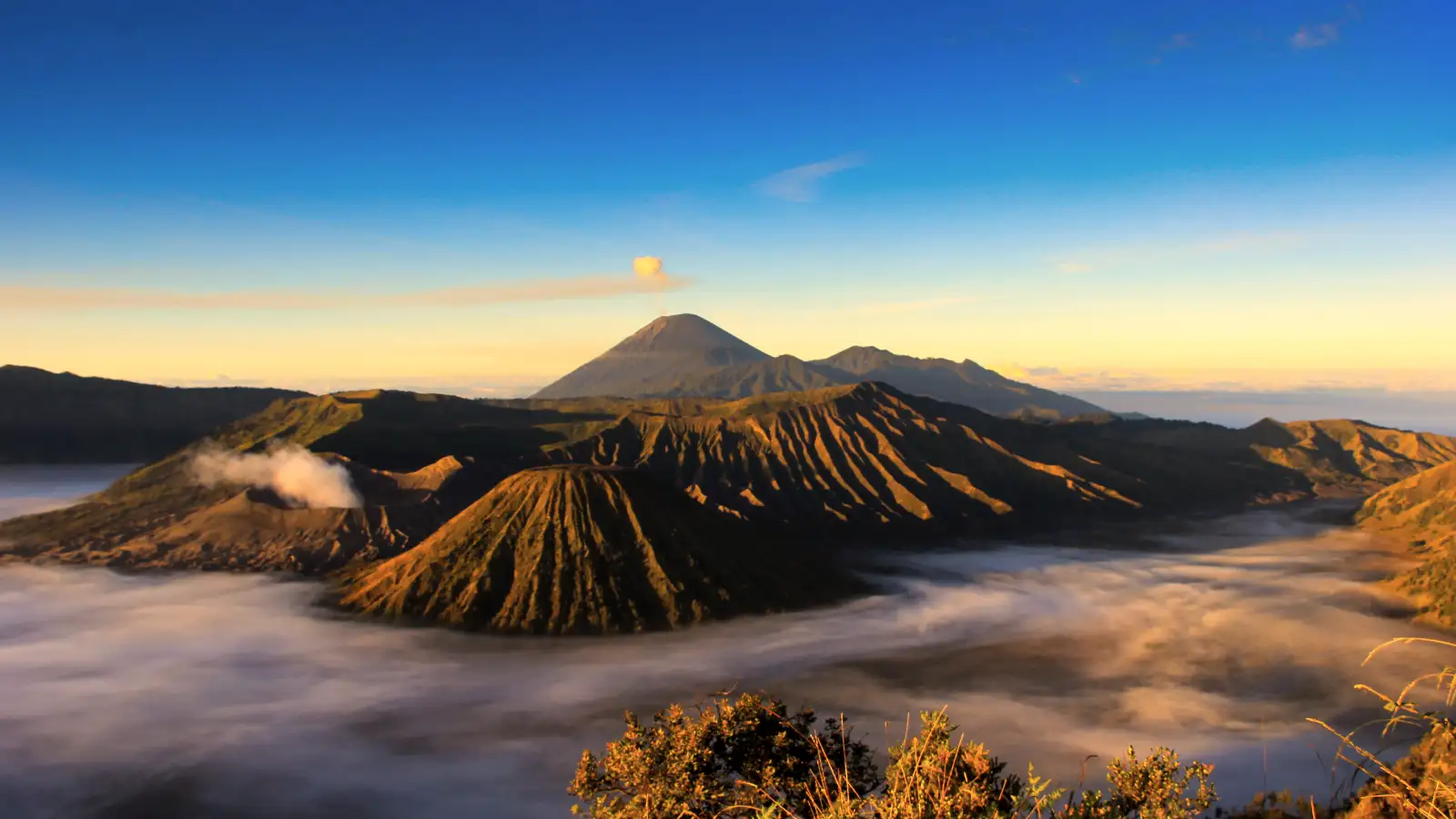
The Tengger caldera is a colossal volcanic depression, measuring approximately 10 kilometers in diameter. Within this ancient, massive crater lie several younger volcanic cones, including the iconic Mount Bromo, Mount Batok, and Kursi. Surrounding these peaks is the vast, desolate expanse known as the Sea of Sand, a surreal and often misty volcanic plain that contributes significantly to the dramatic aerial view. This unique geological formation, continually shaped by millennia of eruptions, presents a landscape unlike anywhere else on Earth, making the aerial view of Mount Bromo a profound visual experience.
The Iconic Viewpoints: Capturing Bromo From Above
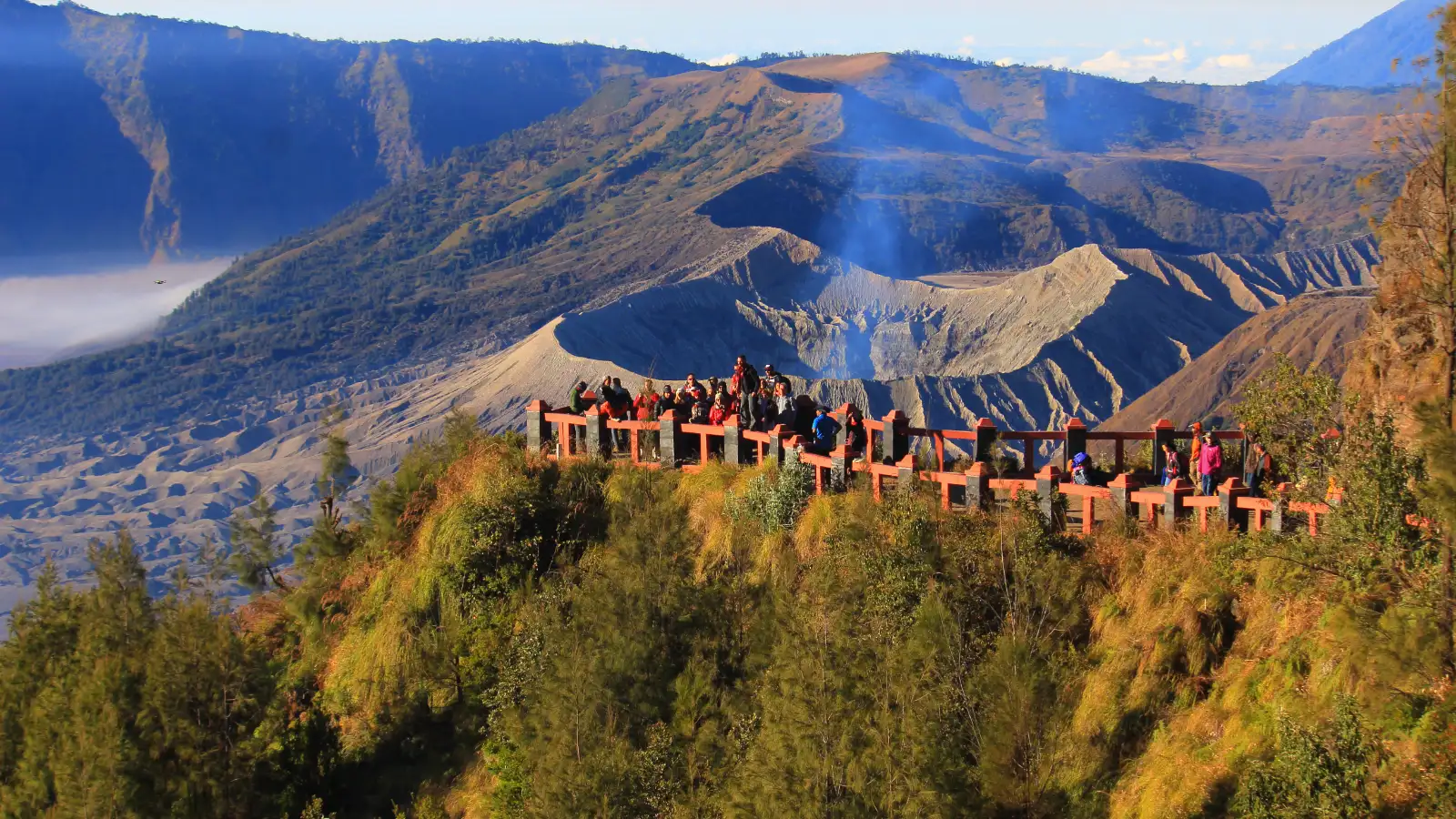
While trekking to the crater rim offers a close-up encounter, the true “aerial view of Mount Bromo” is best observed from the surrounding peaks that frame the entire caldera. These viewpoints provide panoramic vistas that reveal the intricate relationships between the various volcanic cones and the expansive Sea of Sand.
Penanjakan 1: The Classic Sunrise Panorama
Penanjakan 1, standing at 2,770 meters (9,088 feet), is renowned for offering the most iconic “Mount Bromo from the sky” perspective. From this elevated vantage point, visitors witness an unparalleled panoramic spectacle as the sun rises, casting golden hues across the volcanic landscape. The entire Tengger caldera sprawls beneath, with Mount Bromo, Mount Batok, and Mount Semeru (East Java’s highest peak) forming a majestic backdrop. The swirling mist in the Sea of Sand below often enhances the ethereal quality of this breathtaking vista, making it a favorite for photographers aiming to capture the essence of the Bromo Tengger caldera from above. Access to Penanjakan 1 typically requires an early morning 4WD Jeep journey.
King Kong Hill & Love Hill: Alternative Perspectives
For those seeking slightly less crowded or varied perspectives, King Kong Hill and Love Hill provide excellent alternatives to Penanjakan 1. These viewpoints offer similar “Mount Bromo aerial photography” opportunities, albeit from slightly different angles and elevations within the Tengger massif. From King Kong Hill, the profile of Mount Bromo and the Sea of Sand can appear particularly dramatic, while Love Hill provides a more intimate yet equally expansive view of the volcanic topography. Each viewpoint reveals unique geological features and offers distinct frames for observing the majestic Bromo mountain range and its surrounding landscape.
Logistics for an Aerial Perspective Journey
Planning your visit to Mount Bromo requires careful consideration of transportation, timing, and preparation to ensure a smooth and rewarding experience.
Getting There: Java’s Gateway to Bromo
The primary gateways to Mount Bromo are Surabaya (Juanda International Airport – SUB) and Malang (Abdul Rachman Saleh Airport – MLG). From either city, travelers typically arrange ground transport to villages near Bromo, such as Cemoro Lawang. From these base camps, the journey to the sunrise viewpoints and into the caldera itself mandates a 4WD Jeep. These specialized vehicles navigate the rugged terrain of the Sea of Sand efficiently, providing access to the best spots for an “aerial view of volcanic caldera.” Travelers can often book these Jeeps through accommodations or local tour operators. For a seamless journey, consider booking your trip in advance through reputable providers like East Java Volcano Tours.
Best Time for Clear Views
The dry season, spanning from May to October, is widely considered the optimal period for experiencing Mount Bromo. During these months, the weather is typically stable, offering clearer skies and minimizing the chances of rain or thick fog obscuring the panoramic “Bromo Tengger caldera landscape.” While sunrise is the quintessential experience, visiting during the dry season significantly increases the likelihood of clear vistas from the elevated viewpoints, allowing for unobstructed views of Mount Semeru from above and the entire volcanic complex.
Essential Gear & Preparation
Given the high elevation and early morning hours, temperatures at the viewpoints can drop significantly, often between 3°C and 10°C (37-50°F). Warm layers, including a jacket, hat, and gloves, are essential. Sturdy walking shoes are advisable for navigating uneven paths. A face mask or bandana can be useful to protect against volcanic dust and sulfur fumes when approaching the active crater. Bringing water and some snacks is also recommended, especially during the pre-dawn wait at the viewpoints.
Beyond Bromo: The East Java Volcanic Trail
Mount Bromo is often part of a larger volcanic adventure that includes other prominent natural wonders in East Java.
Connecting to Mount Ijen
Many travelers combine their Mount Bromo experience with a visit to Mount Ijen, famous for its mesmerizing blue flames and acidic crater lake. Mount Ijen features Paltuding (1,850m) as its starting point, leading to a summit at 2,386m. The vibrant turquoise crater lake boasts an astonishingly low pH of less than 0.5. To access the Ijen crater, a mandatory Health Certificate (Surat Keterangan Sehat) is required, and the official trail opens at 02:00 AM WIB (Western Indonesian Time). The journey between Bromo and Ijen offers a deeper exploration of Indonesia’s volcanic landscapes.
Inter-Island Transit: Java to Bali
For those continuing their journey eastward, the efficient ferry connection from Ketapang (East Java) to Gilimanuk (Bali) provides seamless inter-island transit. The ferry crossing typically takes 45-60 minutes. It is important to remember the time zone difference: Java observes UTC+7 (Western Indonesian Time), while Bali observes UTC+8 (Central Indonesian Time), meaning Bali is one hour ahead of Java. This transit point is crucial for travelers exploring the wider Indonesian archipelago after their “Indonesia volcano aerial view” adventure.
Local Knowledge and Ground Evidence
Experiencing Mount Bromo is a sensory immersion. The pre-dawn chill at the viewpoints can be bracing, with winds often carrying a crisp 3°C bite. As the sun rises, the vast Sea of Sand unfolds, sometimes still cloaked in a mystical mist. Descending into the caldera, the air around the active crater rim carries a distinct, pungent sulfur scent, a clear reminder of the volcano’s raw power. Along the gravel trails and near local accommodations, small warungs offer hot, sweet Indonesian coffee, a welcome comfort in the cool mornings. These details contribute to the indelible memory of the “Tengger volcanic complex.”
Frequently Asked Questions
- Q: What is the best time of day to see Mount Bromo from above?
A: Sunrise is the most popular and visually stunning time, typically requiring a departure from your accommodation around 3:00 AM to reach viewpoints like Penanjakan 1. - Q: Is it safe to visit the Mount Bromo caldera?
A: Yes, generally it is safe, but it’s crucial to follow local guidelines and official warnings, especially regarding volcanic activity. Stay on designated paths. - Q: Do I need a guide for Mount Bromo?
A: While not strictly mandatory for the viewpoints, a local guide or driver (especially for the 4WD Jeep) is highly recommended for navigation, safety, and local insights. - Q: What should I wear for a Mount Bromo trip?
A: Layered warm clothing, including a jacket, hat, and gloves, is essential due to cold temperatures. Sturdy walking shoes and a face mask are also advisable. - Q: Can I hike to the Mount Bromo crater rim after sunrise?
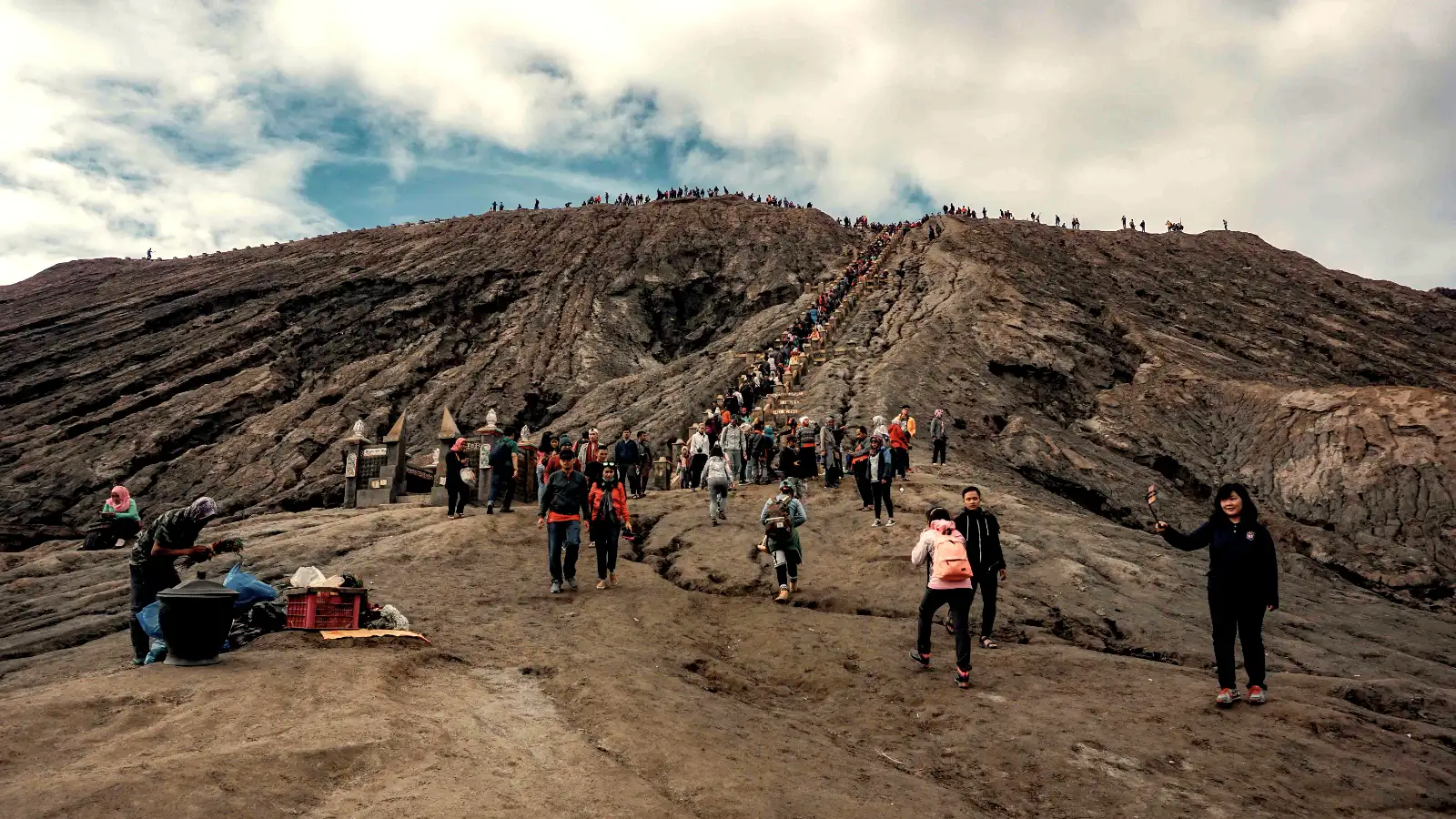
A: Yes, after enjoying the sunrise views, most tours include a trip to the Sea of Sand, where you can then walk or ride a horse to the base of Bromo and ascend steps to the crater rim. - Q: How long does a typical Mount Bromo tour last?
A: A standard sunrise tour from a nearby village like Cemoro Lawang typically lasts about 6-8 hours, including travel to viewpoints and the crater rim. - Q: Are there facilities like restrooms at the viewpoints?
A: Basic restroom facilities are usually available at the main viewpoints, though they might be simple and may require a small fee.
Conclusion
Witnessing the Mount Bromo caldera from above is an awe-inspiring experience that encapsulates the raw power and majestic beauty of East Java’s volcanic landscape. From the sweeping panoramas of Penanjakan 1 to the more intimate views from King Kong Hill, the perspective reveals the vastness of the Tengger caldera, the surreal Sea of Sand, and the iconic cones within. Meticulous planning regarding timing, logistics, and essential gear ensures a profound and memorable journey, offering an unparalleled glimpse into the heart of Indonesia’s geological wonders.